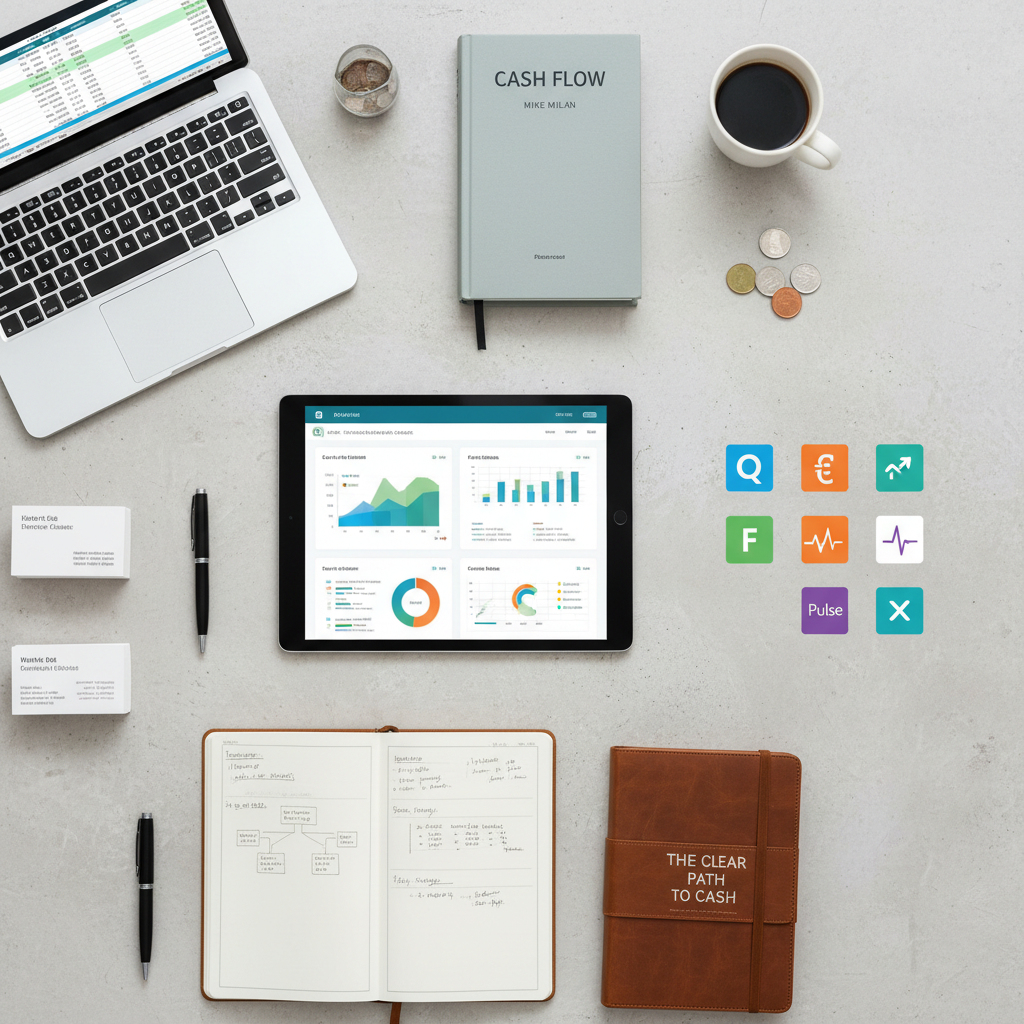
Businesses do not usually struggle because they lack sales; they struggle because cash arrives too late, leaves too quickly, or is not tracked closely enough. Cash flow management software helps teams forecast inflows, monitor expenses, and make decisions with fewer surprises. For companies comparing tools, it also helps to pair software with practical guidance from resources like The Clear Path to Cash and Cash Flow Mike Milan.
What Cash Flow Management Software Should Do
The best cash flow platforms are not just digital ledgers. They should give business owners a usable view of what is coming in, what is going out, and when the pressure points are likely to hit.
Key features often include:
- Cash flow forecasting and scenario planning
- Bank and accounting integrations
- Expense tracking and alerts
- Accounts receivable visibility
- Reporting that is clear enough for non-finance leaders
For smaller businesses, simplicity matters as much as depth. For larger organizations, multi-user collaboration, permission controls, and more detailed reporting can become more important.
Five Cash Flow Management Software Options To Consider
There is no single best platform for every business. The right choice depends on whether a company needs forecasting, budgeting, payments management, or a broader financial planning system.
1. QuickBooks
QuickBooks remains a common starting point for small businesses that want accounting and cash flow visibility in one place. Its appeal comes from familiarity, straightforward reporting, and its ability to connect operational data to financial decisions.
Businesses already using QuickBooks for bookkeeping often find it easier to extend that system rather than add another layer of software. The tradeoff is that companies with more advanced forecasting needs may eventually look for a dedicated planning tool.
2. Float
Float is built around cash flow forecasting and is often used by businesses that want a clearer forward-looking view. Its focus on short-term liquidity planning makes it useful for teams that need to anticipate cash gaps before they happen.
For owners and finance leads, the value is less about recording transactions and more about understanding timing. That can be especially useful when billing cycles, payroll, and supplier payments do not line up neatly.
3. Fathom
Fathom is often used by firms that want reporting, performance analysis, and cash flow insight in one platform. It is a strong fit for businesses that need to present financial information to leadership, investors, or advisors in a more polished format.
Its strength lies in turning raw numbers into a clearer story. That makes it useful for businesses that need more than basic tracking and want a deeper look at financial health.
4. Pulse
Pulse is designed to help small and midsize businesses keep an eye on inflows and outflows without getting buried in complexity. It is often positioned as a practical forecasting tool for owners who want visibility without a steep learning curve.
The software is particularly helpful for companies that want to monitor a few key scenarios and react quickly when cash gets tight. In that sense, it works best as a daily management tool rather than a once-a-quarter reporting system.
5. Xero
Xero is widely known as accounting software, but it also offers features that support cash flow monitoring and management. For businesses that prefer a cloud-based system with a broad financial toolkit, it can serve as a useful central hub.
Its advantage is the combination of accounting, bank feeds, and visibility into financial activity. That makes it a strong option for businesses that want a connected workflow instead of a separate cash planning process.
Why Software Alone Is Not Enough
Software can show the numbers, but it does not explain the decisions behind them. A business may still need practical guidance on pricing, collections, spending discipline, and forecasting habits to improve cash flow in a lasting way.
That is why educational resources remain valuable alongside software selection. The Clear Path to Cash offers a useful place for business owners to explore cash flow ideas with a more practical lens, while Cash Flow Mike Milan provides another avenue for learning from a cash flow-focused perspective.
The strongest companies usually combine tools and method. They use software to see the numbers, then apply a disciplined process to respond to them.
Choosing The Right Fit
When evaluating cash flow management software, businesses should look beyond feature lists and ask a few simple questions:
- Does the platform fit the company’s size and complexity?
- Will the team actually use it regularly?
- Does it connect with existing accounting or banking systems?
- Can it help leaders spot problems early?
- Is the reporting clear enough to support real decisions?
A good tool should save time, reduce uncertainty, and create better visibility across the business. If it adds complexity without improving decision-making, it is unlikely to deliver much value.
Cash flow is often the difference between growth and stress. The best software helps businesses track it, but the best results usually come from pairing that software with practical guidance, disciplined habits, and a clear plan for what to do next.